Home | People | Architecture | Landscape | Documentary | Travel | Events | Shop/Donate | Artist
Photo of the Day October 2026
Archive: Sep Aug Jul Jun May Apr Mar Feb Jan 2026
Dec Nov Oct Sep Aug Jul Jun May Apr Mar Feb Jan 2025
Dec Nov Oct Sep Aug Jul Jun May Apr Mar Feb Jan 2024
Dec Nov Oct Sep Aug Jul Jun May Apr Mar Feb Jan 2023
Dec Nov Oct Sep Aug Jul Jun May Apr Mar Feb Jan 2022
Dec Nov Oct Sep Aug Jul Jun May Apr Mar Feb Jan 2021
Dec Nov Oct Sep Aug Jul Jun May Apr Mar Feb Jan 2020
Dec Nov Oct Sep Aug Jul Jun May Apr Mar Feb Jan 2019
Dec Nov Oct Sep Aug Jul Jun May Apr Mar Feb Jan 2018
Dec Nov Oct Sep Aug Jul Jun May Apr Mar Feb Jan 2017
Dec Nov Oct Sep Aug Jul Jun May Apr Mar Feb Jan 2016
Dec Nov Oct Sep Aug Jul Jun May Apr Mar Feb Jan 2015
Dec Nov Oct Sep Aug Jul Jun May Apr Mar Feb 2014
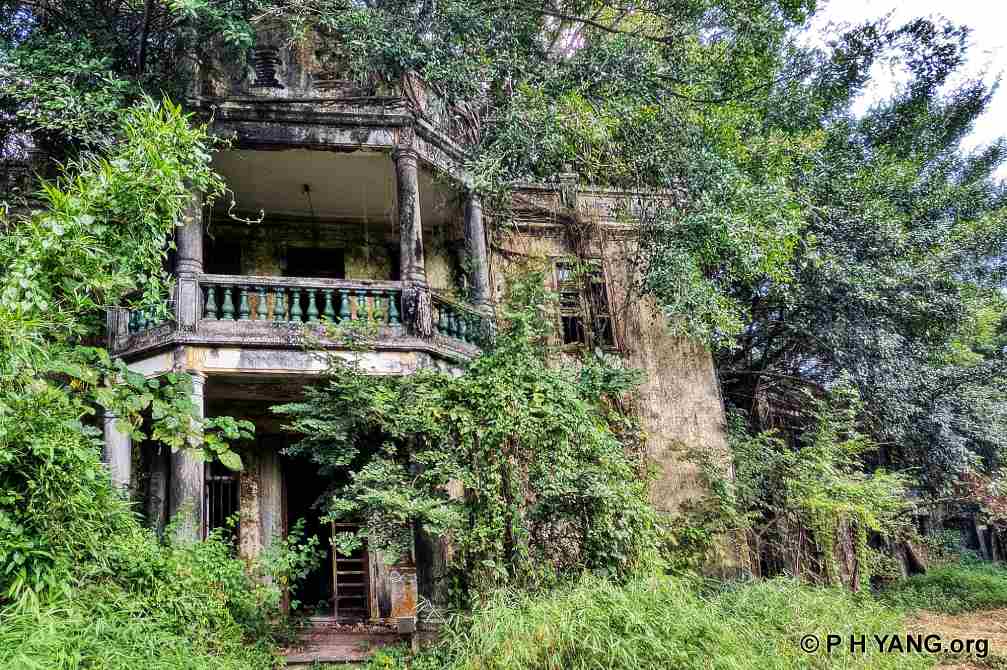 Deserted Century-old Villa Built in 1925, the 2-storey villa includes 2 buildings, constructed in a blend of Chinese and Western architectural styles. The walls, balconies, and stone pillars feature colonial architectural characteristics, yet the building is topped with a traditional Chinese pitched roof, supported by wooden beams and purlins and tiled with roof tiles. The internal layout of the courtyard and rooms resemble that of traditional Chinese residences. A semi-circular brick pediment on the facade is a plaster relief inscribed with the name of the building. It is rated a Grade I historic building im 2011. It has been vacant and deserted since the late 1980s. There was a fire a few years ago that worsen the deterioration. The roof above my favourite "red room" on the ground floor collapsed through the upper level. Damaged timber, vine-covered stone/brick exteriors and overgrown dense vegetation has intruded into the structure. Hong Kong | 2026 21 Oct 2026 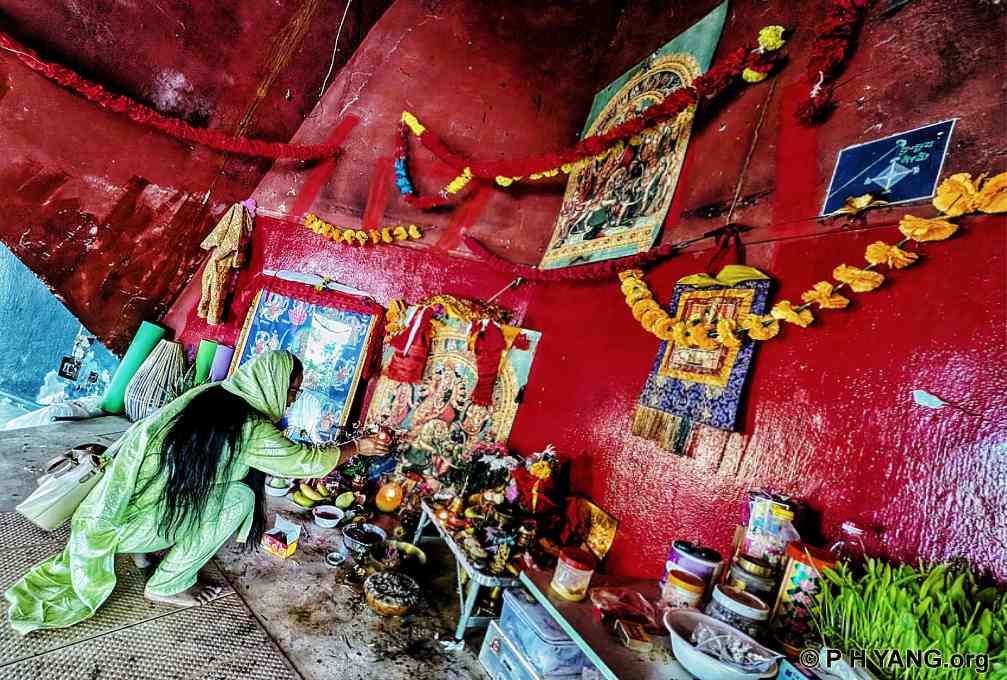 Dashain at Deserted Hindu Temple Dashain is the longest, grandest, and most auspicious festival celebrated primarily by Hindus in Nepal and the Nepali diaspora, lasting for 15 days - 11 October (Ghatasthapana) to 25 October 2026 (Kojagrat Purnima). Dashain symbolizes the triumph of good over evil. According to Hindu theology, it commemorates the goddess Durga slaying the shape-shifting buffalo demon Mahishasura, as well as Lord Ram's victory over the demon king Ravan. In Hong Kong, it is celebrated at a deserted Hindu Temple that was completed in the 1960s and was built by Nepalese Gurkhas soldiers stationed at the camp to worship Shiva, the Hindu god of destruction. After 1996, the Gurkhas left, and it was deserted. In 2010, it was rated as a Grade III historical building. The temple is a gray-greenish hexagonal building with 6 spires on top, which is crown-shaped, symbolising a lotus flower that is regarded as a beautiful and sacred in Hinduism. Each of the 6 sides has a portal, except the southeast side, with a small yellow window above the door. The interior of the building is painted red and green, with a mysterious atmosphere. Hong Kong | 2026 20 Oct 2026 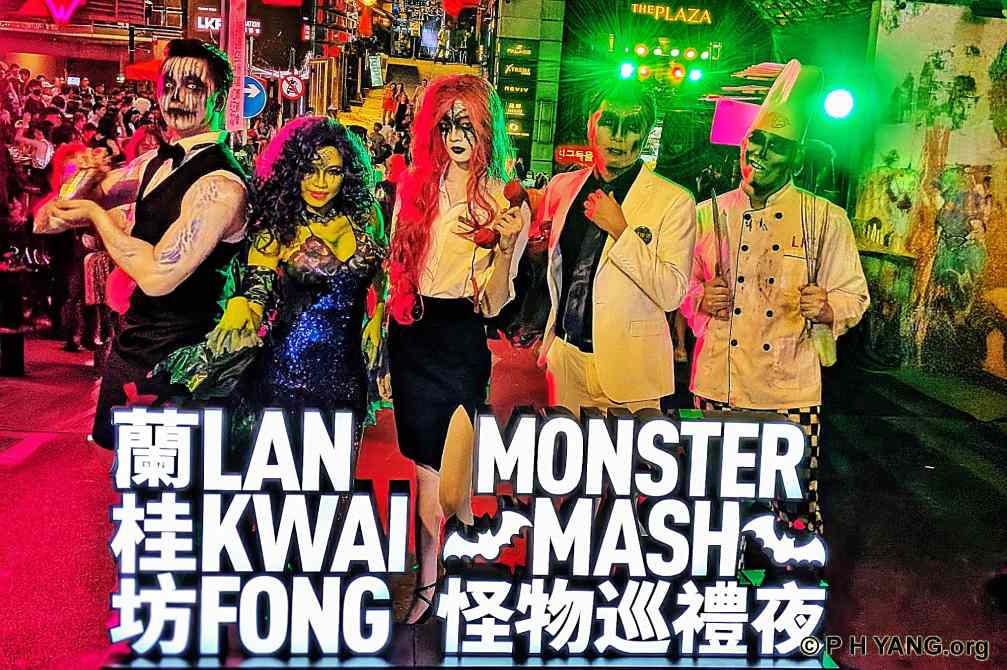 Monster Mash at Lan Kwai Fong Monster Mash is a citywide Halloween cosplay celebration taking over Lan Kwai Fong. The party runs 7–11 pm with music by DJ Jack on the decks. The monsters are coming out, the music is turning up, drinks are flowing, and there’s plenty of mischief waiting after dark. Dress up and unleash your inner monster at Lan Kwai Fong Monster Mash! The Makeup Counter by @mefacepaint.hk is available at No. 1 LKF for touch-ups. Lan Kwai Fong | 17, 24, 31 October | 7-11 pm Central . Hong Kong | 2026 19 Oct 2026 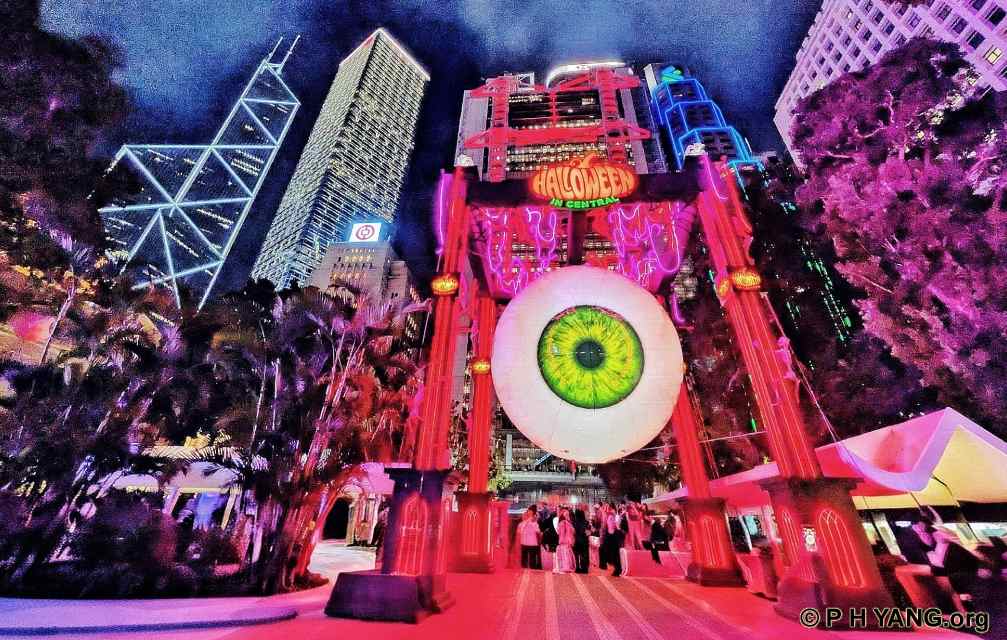 Central Halloween Takeover From 17 to 31 October, Central’s iconic streetscape becomes a Halloween playground unlike any other. Halloween in Central — a 15-day celebration of illuminated installations, live music, family fun, cosplay and spooky surprises across the entire district. Central Halloween Takeover transforms Statue Square Gardens (South) with 4 hero Halloween installations - I Am Watching You, a giant eyeball rising over the fountain; The Awakening, a monumental gateway installation; the photo-ready Coffin Throne; and The Jail, a haunted reimagining of the pavilion. Statue Square Gardens (South) | 17-31 October All Day | Lights up 4-11:30 pm (till 1 am on 31 October) Central . Hong Kong | 2026 18 Oct 2026 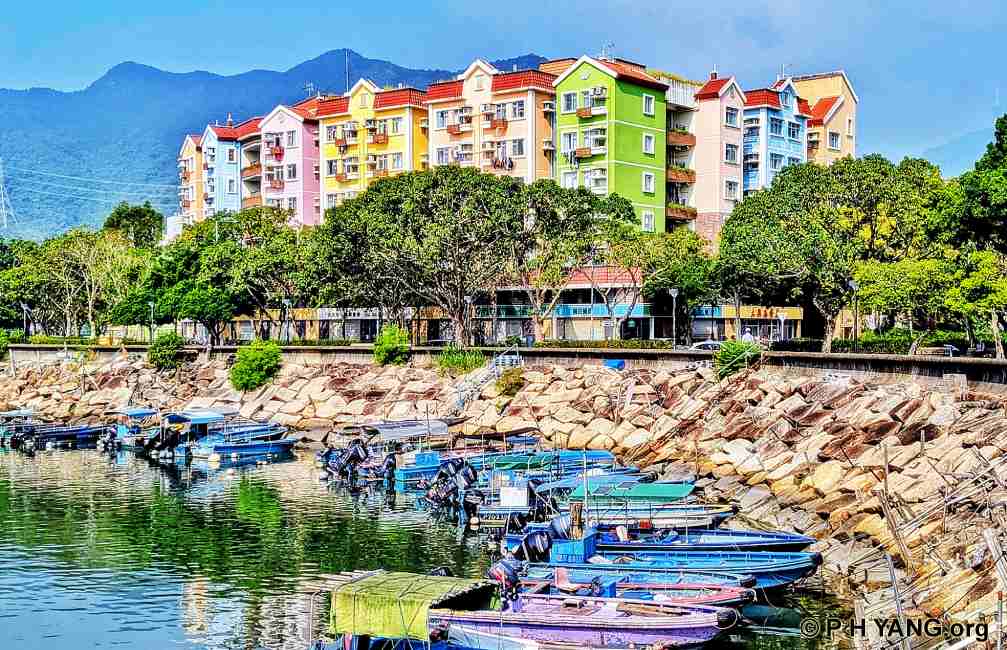 Colourful Sha Tau Kok Chuen The colourful low-rise buildings of Sha Tau Kok Chuen, is a public housing estate developed by the Hong Kong Housing Society along the waterfront in Sha Tau Kok, a restricted area at the northern border of Hong Kong. Phase 1 was completed around 1988, Sha Tau Kok Chuen was designed as a low-rise rural public housing estate with 4 to 6 storeys. Its main purpose was to rehouse local indigenous residents, fishermen, and villagers affected by clearance and redevelopment of nearby areas such as Yim Liu Ha and Tsoi Yuen Kok. Sha Tau Kok . Hong Kong | 2026 17 Oct 2026 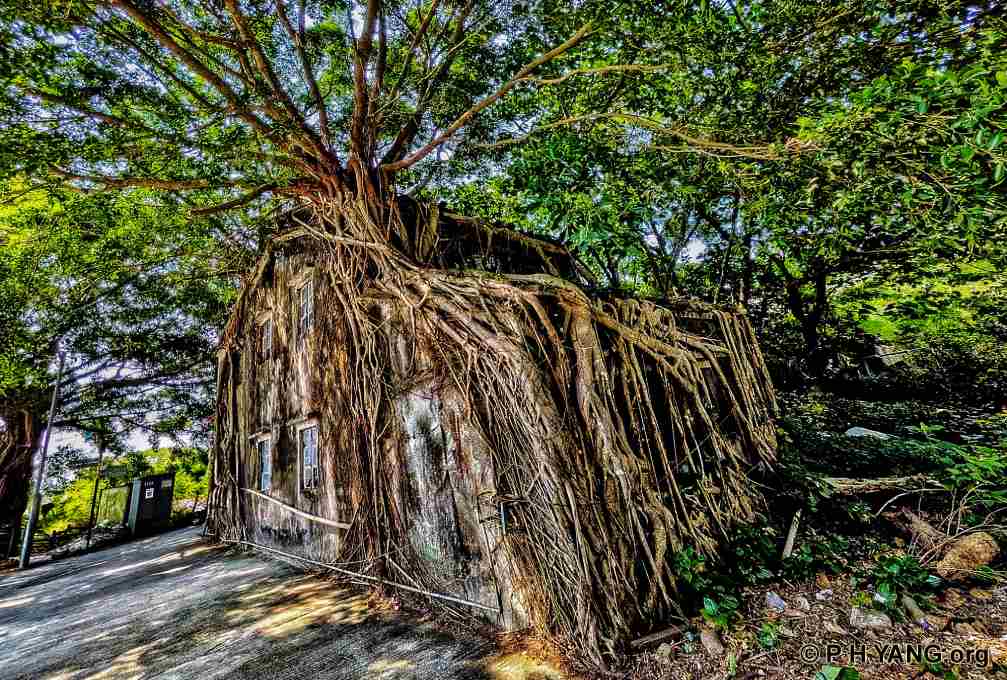 Abandoned Treehouse on Remote Island An abandoned village house on a remote island is heavily entangled by the roots and trunk of a large Chinese banyan tree, giving it the appearance of a “treehouse.” Early settlement evidence on this island dates back thousands of years, with more permanent Hakka and Tanka (boat-dwelling fisherfolk) communities from roughly the 17th–18th centuries onward. By 1950s–1960s, it was a thriving fishing market and local economic hub. Peak population estimates ran around 6,000. Decline set in afterwards as fishing yields fell, opportunities improved in the city or overseas (Europe, Australia, etc), and younger people left. Today fewer than 50 permanent residents (mostly elderly) remain. Many houses stand empty and deteriorating. Hong Kong | 2026 16 Oct 2026 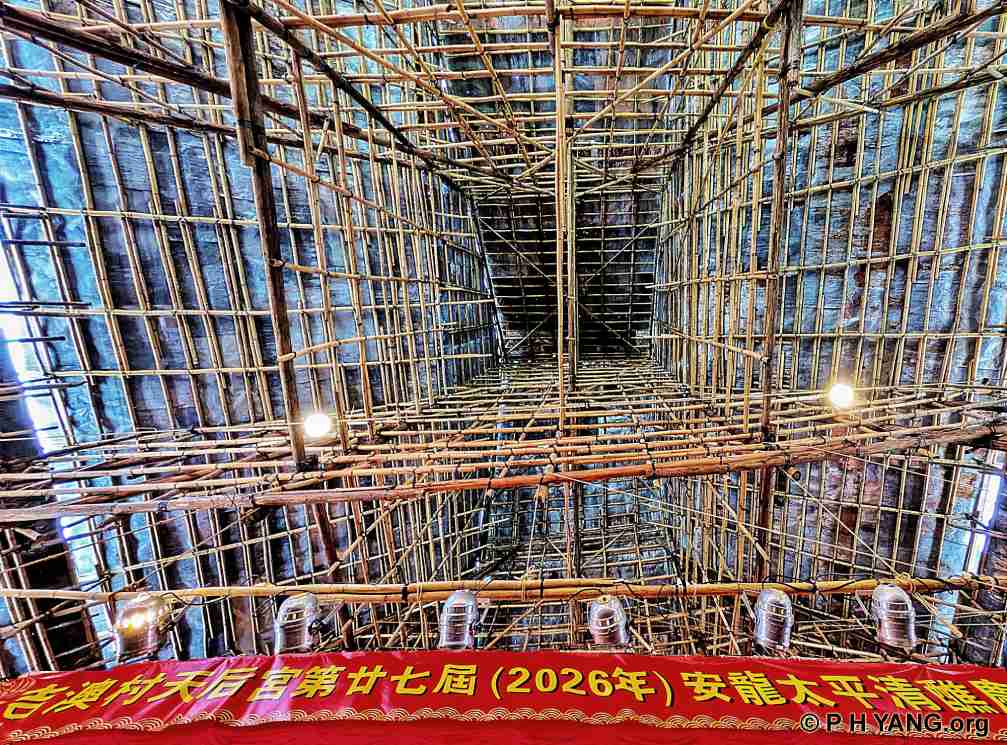 Kat O Bamboo Theatre The 27th OnLung Tai Ping Ching Chiu (Calming Dragon Peaceful Purification Festival 安龍太平清醮), once every decade, is from 11–15 October (4 days and 5 nights). The main day is 13 October (lunar 4th day of the 9th month). “OnLung” means its core purpose is to appease and revitalise the island’s legendary dragon vein. The event features a large bamboo theatre, built with thousands of bamboo poles as a traditional opera stage with seating capacity for around 1,000 - 1,200 spectators. Cantonese opera is performed daily there. Decorated outside with massive traditional Chinese Flower billboards displaying auspicious wishes and event titles. Kat O . Hong Kong | 2026 15 Oct 2026 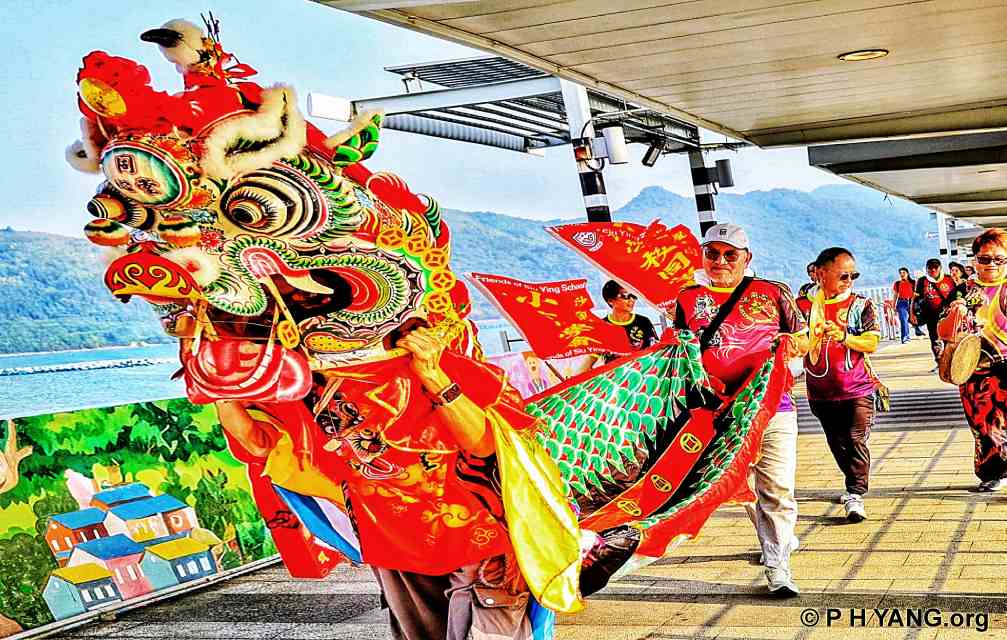 Kat O OnLung Tai Ping Ching Chiu The 27th OnLung Tai Ping Ching Chiu (Calming Dragon Peaceful Purification Festival 安龍太平清醮), once every decade, is from 11–15 October (4 days and 5 nights). The main day is 13 October (lunar 4th day of the 9th month). “OnLung” means its core purpose is to appease and revitalise the island’s legendary dragon vein. Highlights include traditional Taoist ceremonies and the core “On Lung” ritual, colourful processions with kirin, dragon and lion dance, land “dragon boats,” fish lantern dances, chopstick dances, and performers in Hakka and fishing-community costumes. Giant decorative traditional Chinese flower billboards, paper deities, and a large bamboo theatre for Cantonese opera. Communal vegetarian meals during the festival period. Kat O . Hong Kong | 2026 14 Oct 2026 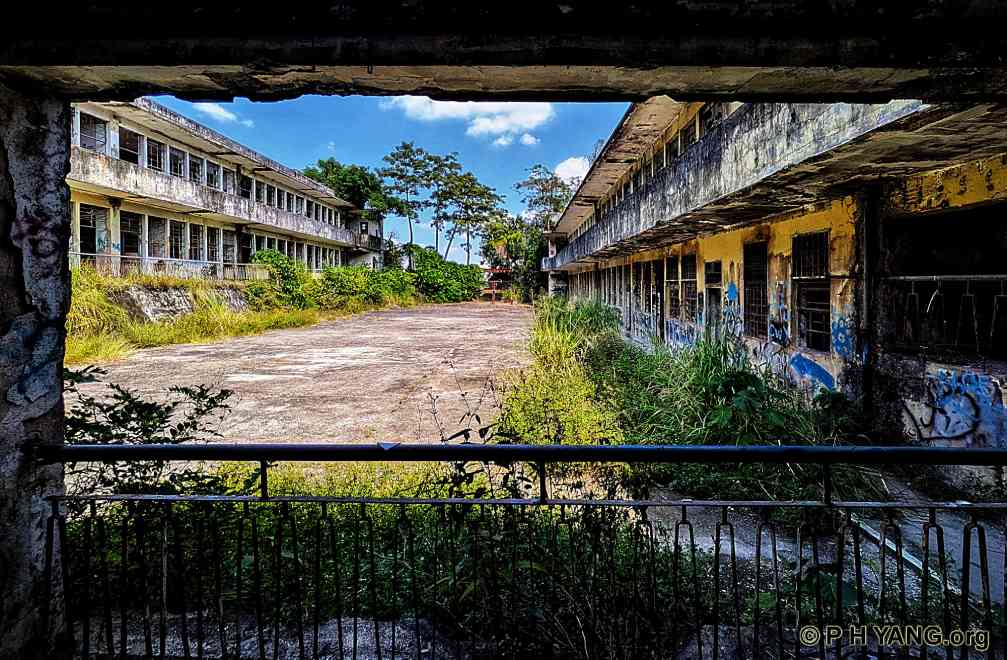 Deserted Most Haunted School The 2-storey building is designed in a 'U' shape with the hall in the centre. The 2 wings are classrooms and the open space in the middle is a basketball court. The primary school was founded in 1931 and moved to the current site in 1974. It was then closed in 1998 due to insufficient enrollment and has been left deserted. There are lots of graffiti. Part of the building has been entangled by tree roots. Surrounded by many graves, the school has been selected by the National Geographic Channel as one of Asia's 10 scariest places. There have been spooky rumours over the years that the headmistress, dressed in red, hung herself in the boys' toilet. It was also said that during the Japanese occupation, massacres were carried out in the area, the bodies were buried in the hillside and turned into a mass grave. It has been rented out for a movie set with some markings on the wall in 1950s style remain. Hong Kong | 2026 13 Oct 2026 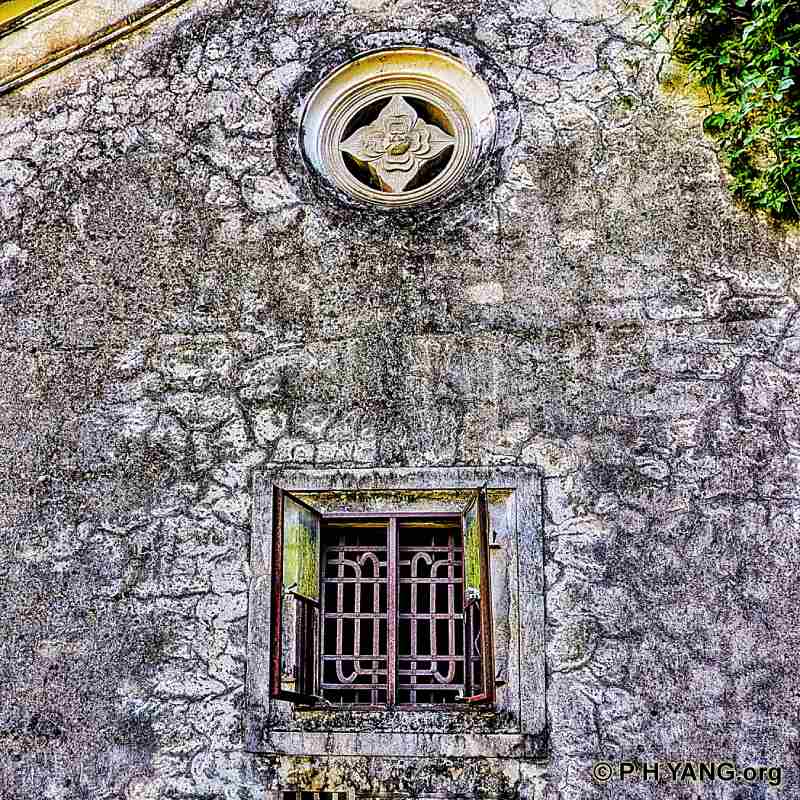 Deserted Mansion from 1930s Built in 1934, the historic mansion is constructed with blue bricks, white-rendered walls, and four-layer tile roofs. The facade includes an ornate circular decorative element and windows with strong metal security bars in a grid pattern including some curved/decorative elements. It incorporates traditional fung-shui principles, featuring a pond in front, now hidden under dense overgrown vegetation and ventilation panels typical of tropical design. The main hall has interesting murals on the wall. The building has been deserted for decades and in a poor state of disrepair, deteriating fast. Today, I found recent vandalism with roof tiles and broken masonry blocks on the floor. Very sad indeed. Hong Kong | 2026 12 Oct 2026 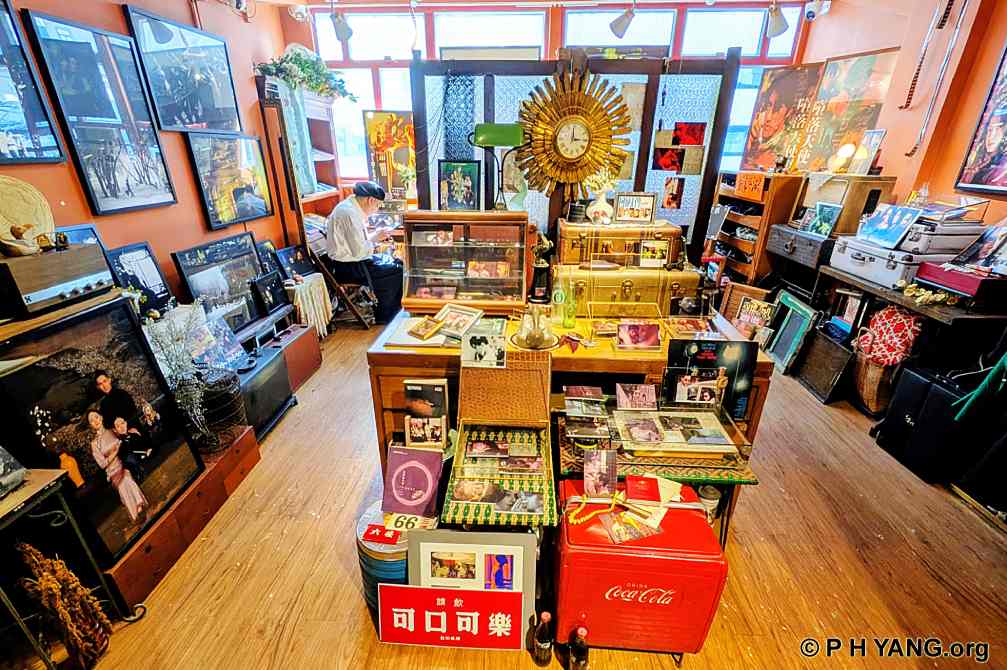 Visual Poet: William Chang Suk Ping A Journey Through Chang Suk Ping, Hong Kong's world class film editor, art director, and costume designer. He has won the Hong Kong Film Awards for Best Editing, Best Art Direction, and Best Costume Design a total of 19 times. He has also won the Golden Horse Awards for Best Editing, Best Art Direction, and Best Costume Design a total of 13 times. He imbues films with soul through visuals and creating many classic and unforgettable cinematic aesthetics. He was not merely a designer of sets and costumes, but also a visual poet of cinematic stories. Wong Kar-wai's films are all inextricably linked to the spaces created by Chang since 1988 in the movie Ashes of Time, as his art director, set and costume designer and editor. In 2000, he won the Technical Grand Prize at the 53rd Cannes Film Festival for the film In the Mood for Love. His sets inspire the birth of drama, shaping the characters' actions, emotional states, and how they exist within them! It is the wrinkles in fabric, the reflection in a mirror, the unspoken thoughts between light and shadow. It teaches us to look beyond the surface of things, to carefully read the emotions and stories behind the image. This aesthetic, which grew from the soil of Hong Kong cinema, transcends time and continues to inspire creators of later generations. Amazing Mongkok | 8/F, 66 Sai Yeung Choi Street South, Mong Kok | 1-11 Oct 2-7 pm Mongkok . Hong Kong | 2026 11 Oct 2026 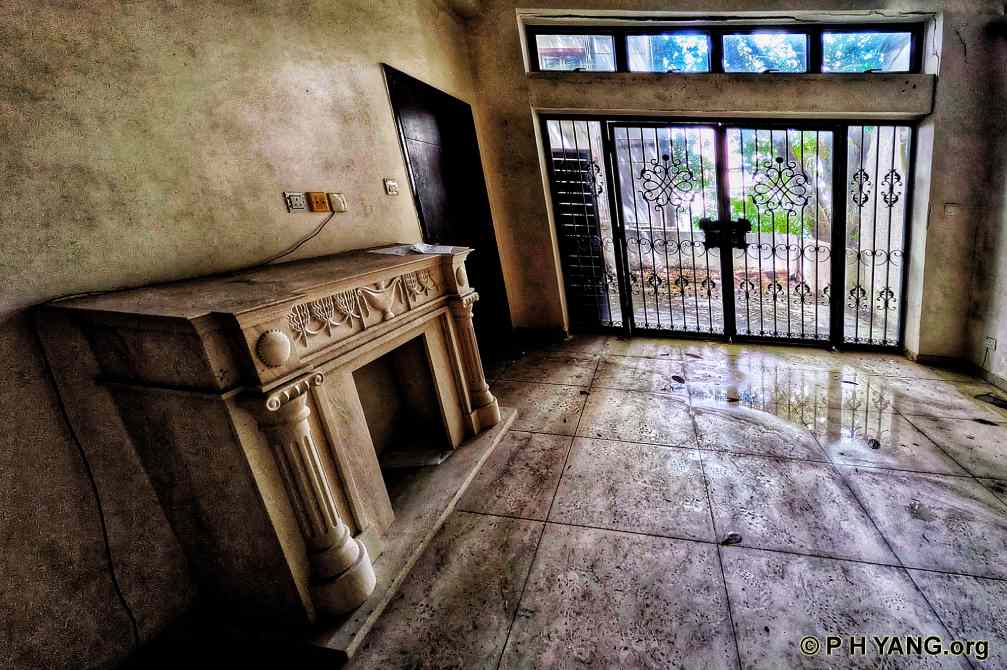 Deserted Chic Tong Lau from 1950s Built in 1953, the 3-storey Chinese tenement building (Tong Lau) is chicly decorated with ornate wrought iron railings, fake fireplaces, large glass windows and a spiral staircase to access the first floor. In 1970, the site was zoned “Open Space” intended for public open space to address local shortages. The government never acquired the private land or implemented the open space. This created a long stalemate: owners could not easily redevelop under the restrictive zoning. Buildings deteriorated. Many owners/residents moved out between 2007 and 2011 due to high maintenance costs, poor conditions, and limited prospect. The units are largely deserted in a dilapidated state: empty rooms with peeling walls, dirty floors, broken or missing fittings, etc. Hong Kong | 2026 10 Oct 2026 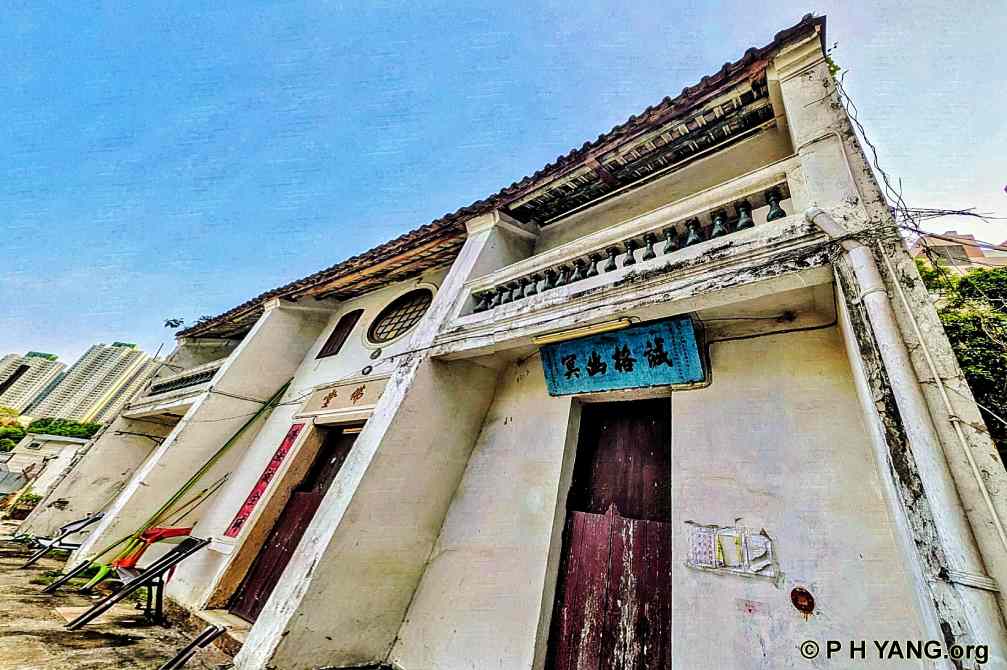 Century-old Man Fat Tong Nunnery Built in 1912-13, Man Fat Tong 萬佛堂 is a Grade III historic building at No. 99 Ngau Chi Wan Village, Kowloon, Hong Kong. It is one of Hong Kong’s earliest surviving Taoist nunneries and among the oldest remaining religious buildings in Ngau Chi Wan village, which is being demolished for redevelopment into public housing. It consists of 3 interconnected 2-storey brick buildings with pitched clay-tile roofs, Western-style round windows, arched windows, and green balustrade terraces. The main structure is a one-hall, three-bay layout with white-plastered walls. The central bay houses deities including Kwun Yum, the Jade Emperor, Monkey King, Sakyamuni Buddha, etc. Side sections served as living quarters for up to 60 nuns and a merit hall with ancestral tablets. Hong Kong | 2026 9 Oct 2026 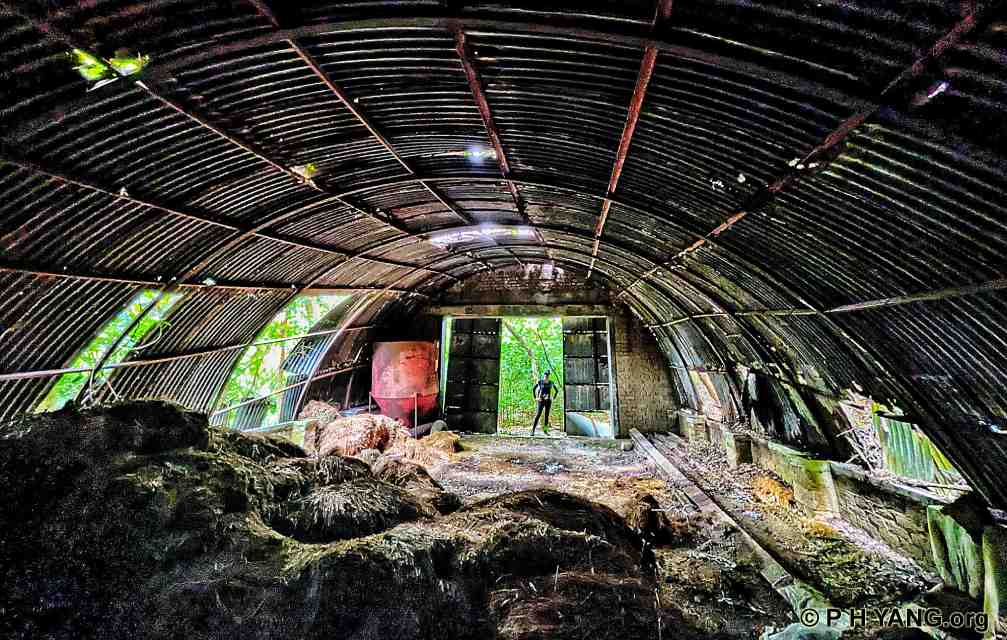 Deserted Dairy Farm from 1950s Built in 1956, the farm was a small-scale dairy operation run by refugee monks who fled mainland China amid the Chinese Civil War and Communist takeover. It produced a well-known brand of fresh milk in traditional glass bottles from the mid-1950s until the early 1980s, when operations relocated. The farm produced cream-rich milk, the best-tasting milk in the city, initially for local residents and visitors, later including to hotels. It reached a notable scale and became a familiar Hong Kong brand. The site is deserted since the 1980s and is in a state of decay: corrugated-metal arched roofs of the farm with accumulated hay (for feeding cows) remnants, piles of old glass milk bottles (many with residual labeling), and other discarded equipment. Bats roost in large numbers on the roof beams and corrugations. Hong Kong | 2026 8 Oct 2026 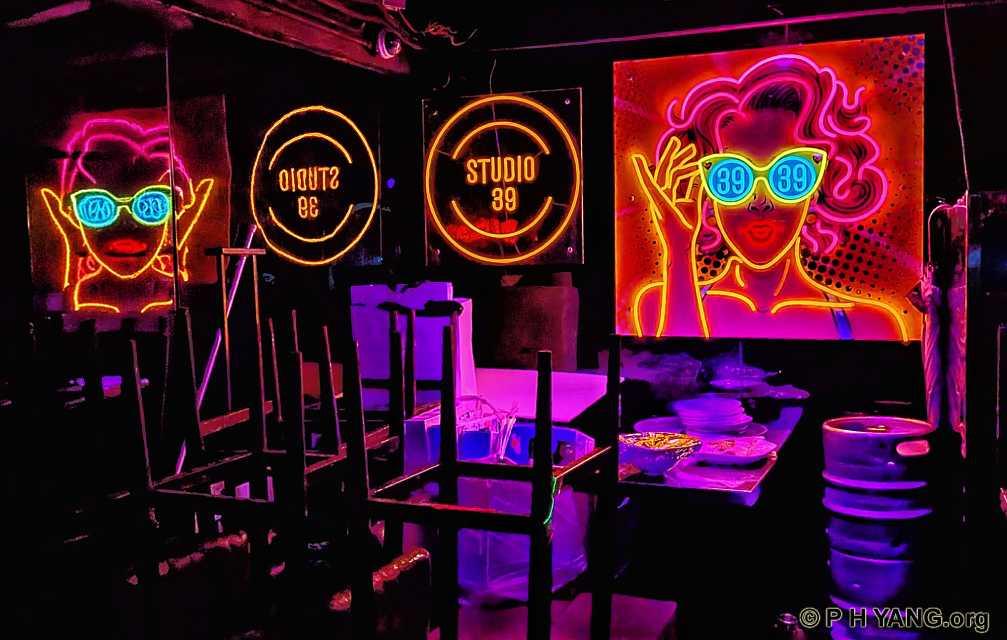 Neon-soaked Nightlife at Studio 39 Step into an electric midnight in Lan Kwai Fong, Central, Hong Kong, where the air itself pulse with bold neon art - glowing hot-pink, cyan, fuchsia and violet. Let's Party! Central . Hong Kong | 2026 7 Oct 2026 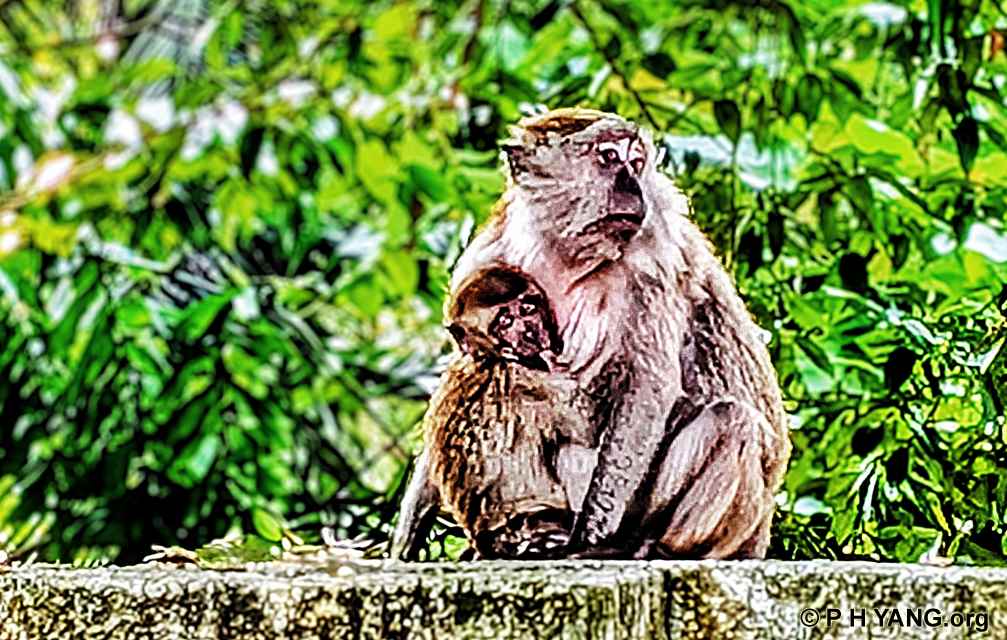 Mother and Child A mother macaque sits on a stone wall in the forest in quiet vigilance, her sharp gaze scans the environment for potential dangers. Nestled tightly against her bosom, a tiny baby clings with the absolute trust of the very young — tiny hands gripping fur, face half-hidden in the safety of her body. Behind them, a soft blur of tropical leaves create a living green curtain in a private moment of wild tenderness. Kuala Lumpur . Malaysia | 2026 6 Oct 2026 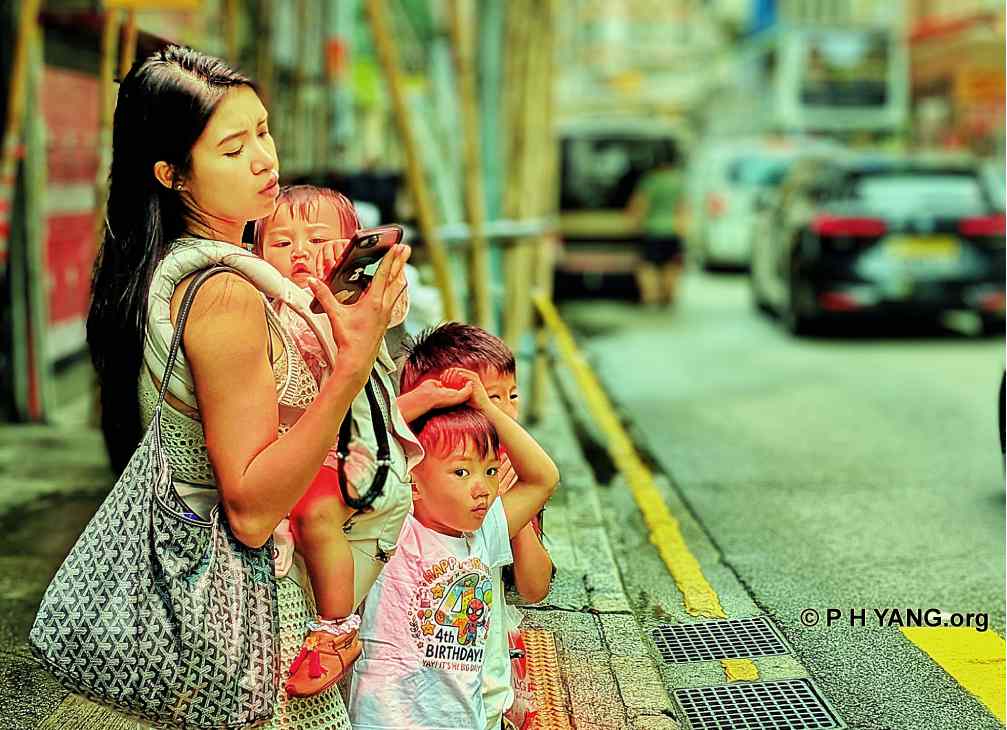 Mother's Balancing Act 3:06 pm #HongKong #China Mother's Balancing Act: 3 Kids and Phone Scroll by @phyang81 for @24hourproject. 24 Hours Against Hunger in support of @actionagainsthunger, a global organization fighting hunger and malnutrition. One photo. One hour. One day. One global community. Join us in taking action against hunger. Donate: 24hourproject.org/donate #24HP26_HongKong #24HP26_HK #24hourproject 24HoursAgainstHunger 24HP26_China Central . Hong Kong | 2026 5 Oct 2026 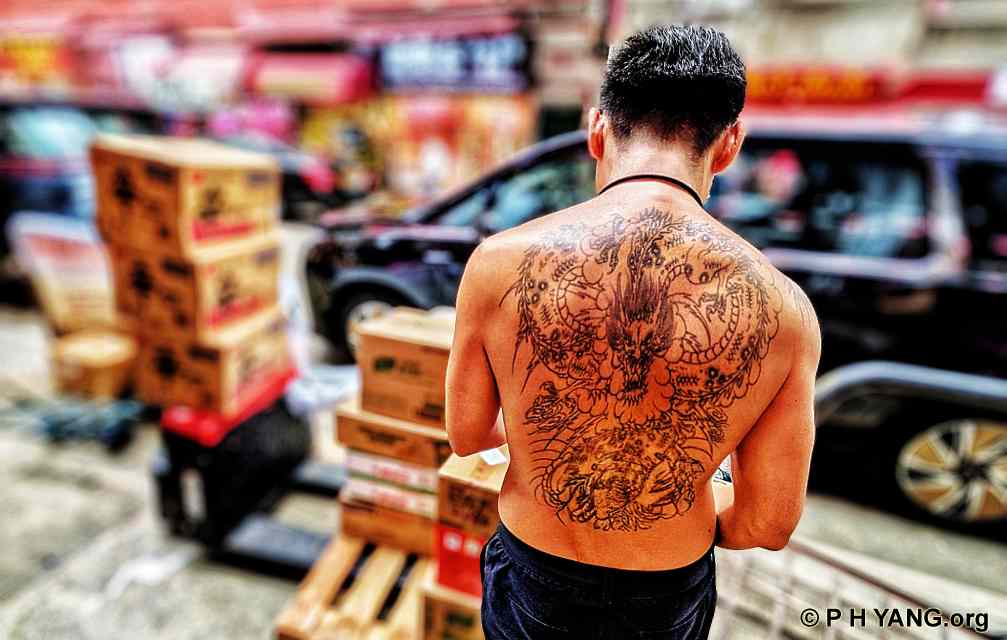 Dragon on His Back 6:05 pm #HongKong #China Dragon on His Back by @phyang81 for @24hourproject. 24 Hours Against Hunger in support of @actionagainsthunger, a global organization fighting hunger and malnutrition. One photo. One hour. One day. One global community. Join us in taking action against hunger. Donate: 24hourproject.org/donate #24HP26_HongKong #24HP26_HK #24hourproject 24HoursAgainstHunger 24HP26_China Central . Hong Kong | 2026 4 Oct 2026  The 1 am Confrontation 01:09 am #HongKong #China The 1 am Confrontation by @phyang81 for @24hourproject. 24 Hours Against Hunger in support of @actionagainsthunger, a global organization fighting hunger and malnutrition. One photo. One hour. One day. One global community. Join us in taking action against hunger. Donate: 24hourproject.org/donate #24HP26_HongKong #24HP26_HK #24hourproject 24HoursAgainstHunger 24HP26_China Central . Hong Kong | 2026 3 Oct 2026 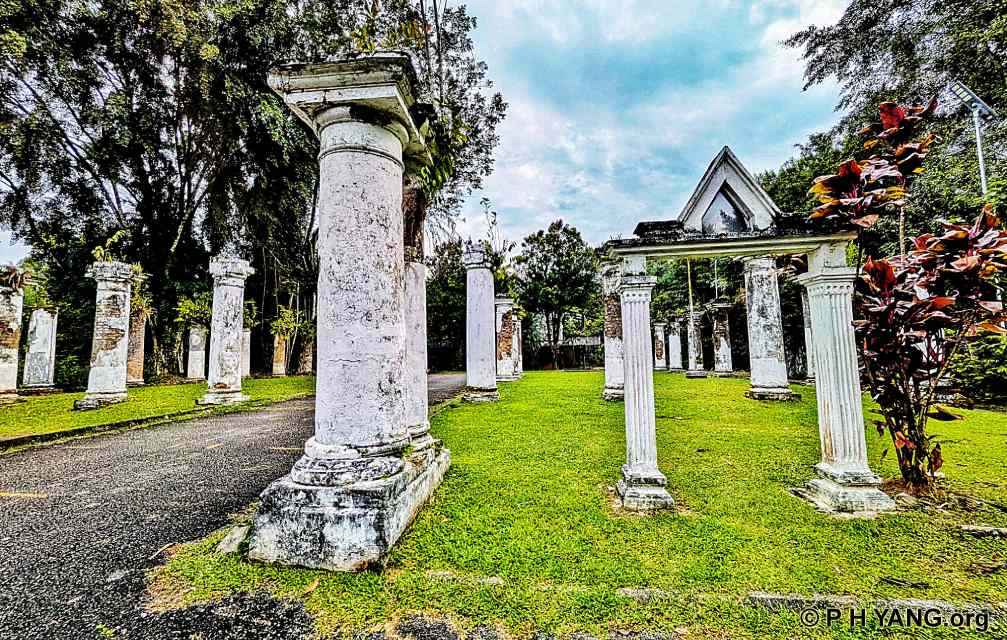 Abandoned Hotel from 1894 Built around 1894, the former hotel and colonial-era site served as a rest house/dormitory for British officers and militia pre-WWII. In 1972, the state government took it over and converted it into a public rest house/budget hotel. It offered around 24–26 rooms (including standard, family, and some VVIP suites used by officials/royalty). There are distinctive columns (Victorian-influenced) in front. The hotel closed around 2010 due to ow occupancy with rumours of hauntings and strange guests and staff apparition sightings, unexplained noises, rooms being “moved,” etc, and rising operating costs. The entire complex has been abandoned since and is in progressive ruin. The original colonial house atop the pillars is largely gone, leaving roughly 34 freestanding white columns. Concrete frames, stairs, tiled rooms, arched interiors, etc are heavily deteriorated. Malaysia | 2026 2 Oct 2026 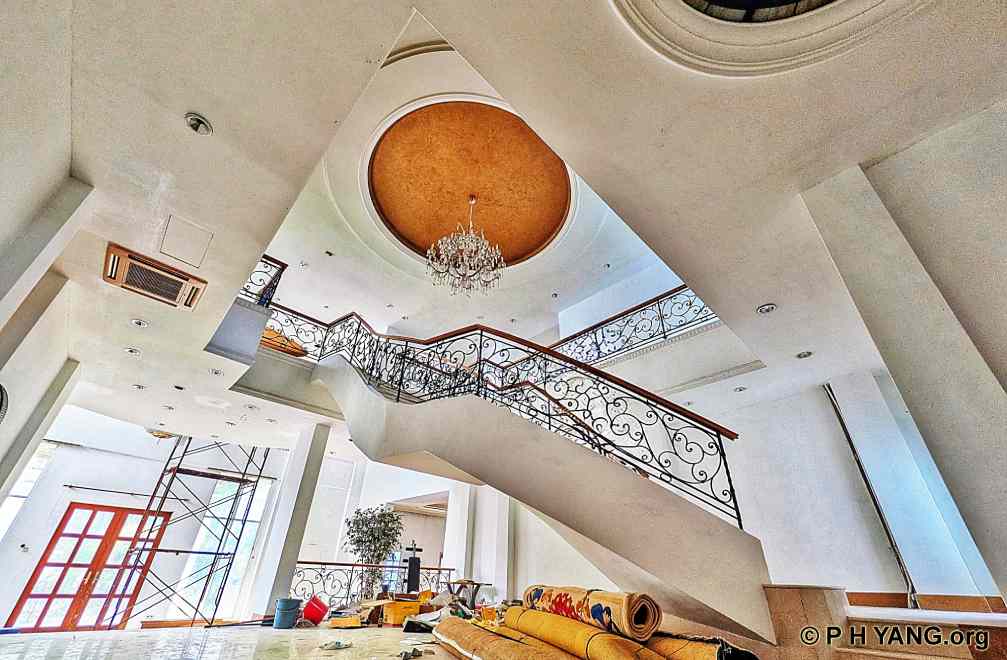 Deserted Infamous Mafia Mansion The “Mafia Mansion” is a large, luxurious multi-storey colonial/neo-classical style bungalow, Spanning an enormous 2,600 square metres, in the exclusive and prestigious low-density residential hill enclave for elites. The mansion has an elevator, an outdoor swimming pool, 2 home cinemas, a temperature-controlled wine cellar, a large private bar a grand curved staircase with wrought iron railings, crystal chandeliers, ornate furnitures and art collection. A rare, vintage Mercedes-Benz worth over US$50,000 is rusting away in the driveway. Local urban legends suggest that it belonged to a powerful mafia boss who was arrested and the home abandoned. Official real estate and bank records indicate the property has been locked in bank foreclosure for years. Currently, it is deserted showing prolonged vacancy and decay. Malaysia | 2026 1 Oct 2026 Archive: Sep Aug Jul Jun May Apr Mar Feb Jan 2026 Dec Nov Oct Sep Aug Jul Jun May Apr Mar Feb Jan 2025 Dec Nov Oct Sep Aug Jul Jun May Apr Mar Feb Jan 2024 Dec Nov Oct Sep Aug Jul Jun May Apr Mar Feb Jan 2023 Dec Nov Oct Sep Aug Jul Jun May Apr Mar Feb Jan 2022 Dec Nov Oct Sep Aug Jul Jun May Apr Mar Feb Jan 2021 Dec Nov Oct Sep Aug Jul Jun May Apr Mar Feb Jan 2020 Dec Nov Oct Sep Aug Jul Jun May Apr Mar Feb Jan 2019 Dec Nov Oct Sep Aug Jul Jun May Apr Mar Feb Jan 2018 Dec Nov Oct Sep Aug Jul Jun May Apr Mar Feb Jan 2017 Dec Nov Oct Sep Aug Jul Jun May Apr Mar Feb Jan 2016 Dec Nov Oct Sep Aug Jul Jun May Apr Mar Feb Jan 2015 Dec Nov Oct Sep Aug Jul Jun May Apr Mar Feb 2014 |
(C) p h yang 2023 - all rights reserved |